Manufacturers, Exporters, Suppliers of Acrylic Copolymer
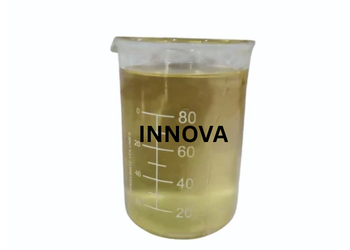
Acrylic Copolymer in Nepal
Acrylic Copolymer is a versatile polymer. In Nepal, we supply premium Acrylic Copolymer to support water treatment plants, cooling towers at hydroelectric plants, and industrial processing (Hetauda, Biratnagar). Nepal's river water with high silt load during monsoon (500-2000+ NTU) and glacial melt sources requires precise polymer solutions.
As an indispensable polymer solution for Nepal's water treatment and industrial sectors, it serves multiple facilities. For water treatment plants (Kathmandu Valley), cooling towers (hydroelectric plants - Kaligandaki, Marsyangdi), and industrial processing (Hetauda, Biratnagar), this product meets all quality standards while supporting Nepal's water security and hydropower generation.
This specialized acrylic co-polymer is designed for high-efficiency water treatment and specialized industrial applications throughout Nepal. It is exceptionally effective as a Dispersant and Scale Inhibitor in Industrial Water Treatment, Cooling Water Treatment, and various water-based formulations used in Nepal's manufacturing plants. As a low molecular weight polymer, it exhibits superior anti-gelling capacity and outstanding calcium trapping ability, which is vital for the specific water conditions found in Nepal. It remains stable and effective over a wide range of pH levels, even in conditions of high hardness and high temperature, without precipitation. Furthermore, it is a non-phosphorus and non-foaming dispersant, ensuring high environmental acceptability for the sustainable growth of Nepal.
Uses: Our Acrylic Copolymer is widely utilized in industrial water systems to prevent mineral build-up. It inhibits scale formation through solubility enhancement, crystal growth modification, and the powerful dispersion properties of its low molecular weight polymer structure. It is essential for maintaining the efficiency of heat exchangers, boilers, and cooling towers by preventing calcium carbonate and calcium sulfate scales.
Handling & Safety: While it is generally safe for industrial use, avoid direct contact with eyes and prolonged contact with skin. Do not ingest. In case of accidental skin contact, wash with plenty of water. In case of eye contact, flush thoroughly with water and seek prompt medical attention. Proper safety gear, including gloves and goggles, should always be used while handling the product to ensure industrial safety standards.